Get Paid to Test Websites: How to Make $50+ Per Hour User Testing
 By
By Get Paid to Test Websites: How to Make $50+ Per Hour User Testing
Table of Contents
1. What is Website User Testing?
2. Why Companies Pay for User Testing
3. Top Platforms to Find Website Testing Jobs
4. How Much Can You Really Earn?
5. Essential Skills and Equipment Needed
6. Step-by-Step Guide to Getting Started
7. Tips to Maximize Your Earnings
8. Common Challenges and How to Overcome Them
9. Building Long-Term Success in User Testing
10. Frequently Asked Questions
Introduction
Imagine getting paid to browse websites, click buttons, and share your honest opinions about your experience. Sounds too good to be true? Well, it’s not. Website user testing has become a legitimate way to earn money online, with experienced testers commanding rates of $50 or more per hour.
In today’s digital-first world, companies are desperately seeking real user feedback to improve their websites and applications. They’re willing to pay handsomely for your time and insights because your feedback directly impacts their bottom line. Whether you’re looking for a side hustle to supplement your income or considering a career change, user testing offers flexible earning opportunities that fit around your schedule.
This comprehensive guide will walk you through everything you need to know about making money through website testing, from finding your first gig to scaling your earnings to professional levels.
What is Website User Testing?
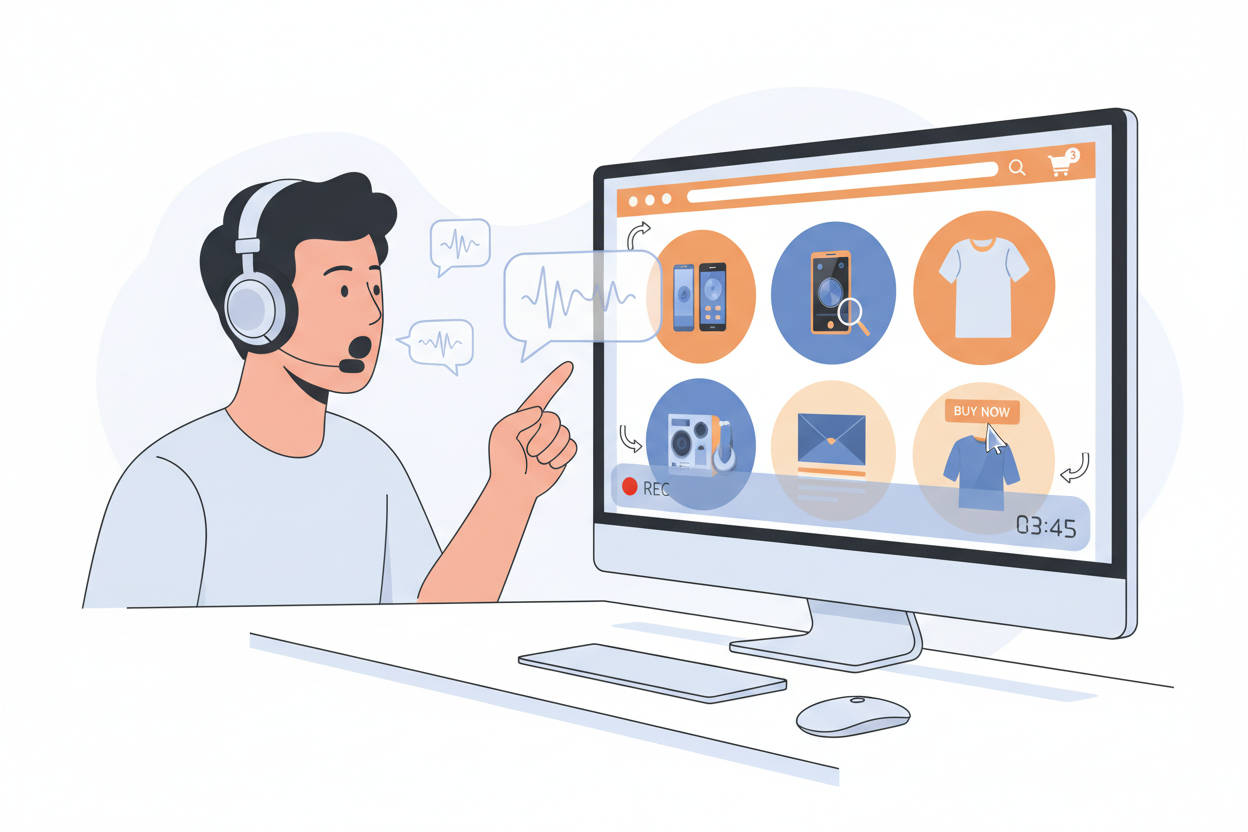
Website user testing, also known as usability testing, involves evaluating websites and applications from a real user’s perspective. As a tester, you’ll navigate through websites while completing specific tasks and providing verbal feedback about your experience.
The process typically involves recording your screen and voice as you interact with a website or app. You might be asked to find specific information, complete a purchase, or simply explore the site naturally. Throughout this process, you’ll share your thoughts out loud, explaining what you find confusing, helpful, or frustrating.

Companies use this feedback to identify pain points in their user experience, optimize conversion rates, and make data-driven decisions about website improvements. Your honest reactions and suggestions help businesses create more user-friendly digital experiences.
Why Companies Pay for User Testing
You might wonder why companies are willing to pay substantial amounts for something that seems so simple. The answer lies in the immense value that user feedback provides to businesses.
A poorly designed website can cost companies millions in lost revenue. Studies show that 88% of online consumers are less likely to return to a site after a bad experience. By investing in user testing, companies can identify and fix issues before they impact their bottom line significantly.
User testing provides insights that analytics alone cannot capture. While data can show where users drop off, it doesn’t explain why. Your verbal feedback fills this crucial gap, revealing the emotional and cognitive reasons behind user behavior.
Additionally, user testing is often more cost-effective than extensive market research or focus groups. Companies can gather valuable insights quickly and affordably, making it an attractive option for businesses of all sizes.
Top Platforms to Find Website Testing Jobs
Several reputable platforms connect user testers with companies seeking feedback. Each platform has its own requirements, payment structure, and types of tests available.
UserTesting is perhaps the most well-known platform in this space. They offer tests that typically pay $10 for 20-minute sessions, though longer and more specialized tests can pay significantly more. The platform is beginner-friendly and provides excellent training resources.
Userlytics offers competitive rates and often features tests in multiple languages. Their tests range from simple website navigation to complex prototype evaluations, with payments varying based on test complexity and duration.
TryMyUI focuses on providing detailed usability insights and typically pays around $10 per test. They’re known for having a steady stream of available tests and clear instructions for testers.
Enroll offers both moderated and unmoderated testing opportunities. Their moderated sessions, where you interact directly with researchers, often pay higher rates due to the real-time nature of the feedback.
Validately specializes in both user testing and user interviews. Their interview sessions can pay $50-100 or more, making them an excellent option for experienced testers looking to maximize their earnings.
How Much Can You Really Earn?
Earnings from user testing vary significantly based on several factors, including your experience level, the platforms you use, and the time you dedicate to testing.
Beginners typically start earning $10-20 per test, with most basic tests taking 15-30 minutes to complete. This translates to roughly $20-40 per hour for simple website navigation tasks.
As you gain experience and build a reputation on testing platforms, you’ll gain access to higher-paying opportunities. Specialized tests, such as those requiring specific demographics or technical expertise, often pay $25-50 per session.
The highest-paying opportunities come from moderated sessions and user interviews. These can range from $50-150 per hour, depending on the complexity of the research and your qualifications. Some specialized B2B testing can command even higher rates.
Realistically, part-time testers who dedicate 5-10 hours per week can expect to earn $200-500 monthly. Full-time testers with experience across multiple platforms can potentially earn $2,000-4,000 per month or more.
Essential Skills and Equipment Needed
While user testing doesn’t require advanced technical skills, certain abilities and equipment will significantly impact your success and earning potential.
Communication skills are paramount. You need to articulate your thoughts clearly and provide constructive feedback. Practice thinking out loud and describing your actions and reactions in detail. The more insightful your commentary, the more valuable you become to research teams.
Basic computer literacy is essential. You should be comfortable navigating websites, downloading software, and troubleshooting minor technical issues. Familiarity with different browsers and devices is also beneficial.
Equipment-wise, you’ll need a reliable computer with a stable internet connection. Most platforms require a microphone for recording your voice, though many laptops have adequate built-in microphones. A webcam may be required for some tests, particularly those involving facial expressions or eye-tracking.
Consider your testing environment as well. You’ll need a quiet space where you can speak freely without interruptions. Background noise can disqualify your submissions, so plan accordingly.
Step-by-Step Guide to Getting Started
Getting started with user testing is straightforward, but following the right steps will set you up for success from the beginning.
Start by researching and selecting 2-3 testing platforms that align with your interests and availability. Read their requirements carefully and ensure you meet all technical specifications before applying.
Create compelling profiles on your chosen platforms. Many platforms screen applicants, so take time to complete your profile thoroughly. Highlight any relevant experience, even if it’s not directly related to user testing. Customer service, marketing, or web development backgrounds can be particularly valuable.
Complete any required qualification tests seriously. These initial assessments determine your acceptance and often influence the types of tests you’ll be offered later. Treat them as you would any job interview.
Once approved, start with simpler tests to build your reputation and confidence. Pay close attention to feedback from researchers and continuously improve your testing approach.
Establish a routine for checking available tests. Many platforms release new opportunities throughout the day, and popular tests fill up quickly. Setting up notifications can help you catch opportunities as they become available.
Tips to Maximize Your Earnings
Maximizing your earnings from user testing requires strategy, consistency, and continuous improvement of your skills.
Diversify across multiple platforms to increase your opportunities. Different platforms have varying test availability and payment structures, so spreading your efforts can lead to more consistent income.
Focus on providing exceptional feedback quality rather than rushing through tests. Platforms track tester ratings, and highly-rated testers receive priority access to better-paying opportunities. Take time to provide thoughtful, detailed commentary that genuinely helps improve the user experience.
Develop expertise in specific areas or industries. If you have professional experience in healthcare, finance, or e-commerce, highlight this in your profiles. Specialized knowledge often leads to higher-paying niche testing opportunities.
Be responsive and reliable. Accept tests promptly when offered and submit completed work within deadlines. Platforms favor testers who consistently deliver quality work on time.
Consider pursuing user research certifications or courses. While not always required, additional qualifications can help you access premium testing opportunities and justify higher rates for freelance work.
Common Challenges and How to Overcome Them
Like any work-from-home opportunity, user testing comes with its own set of challenges. Understanding these obstacles in advance helps you prepare and maintain realistic expectations.
Inconsistent work availability is perhaps the most common frustration. Test availability fluctuates based on client needs, seasonal factors, and platform algorithms. Combat this by registering with multiple platforms and developing other income streams to supplement testing earnings.
Technical difficulties can disrupt testing sessions and impact your ratings. Invest in reliable equipment and internet service. Always test your setup before beginning paid sessions, and have backup plans for common technical issues.
Some testers struggle with providing valuable commentary while navigating websites. This skill improves with practice, so don’t be discouraged if your first few tests feel awkward. Record yourself practicing with random websites to build confidence and fluency.
Competition for high-paying tests can be intense. Build your reputation gradually and focus on consistent quality rather than trying to grab every available opportunity. Established testers with strong ratings naturally receive better opportunities over time.
Building Long-Term Success in User Testing
While user testing can provide immediate income, building long-term success requires treating it as a professional endeavor rather than just a casual side gig.
Track your performance metrics across platforms. Monitor your acceptance rates, completion times, and feedback scores. Use this data to identify areas for improvement and optimize your approach.
Network within the user research community. Join online forums, attend virtual conferences, and connect with other testers and researchers. These relationships can lead to direct opportunities and valuable insights about industry trends.
Consider expanding into related areas such as user interviews, focus groups, or freelance UX consulting. The skills you develop in user testing translate well to these higher-paying opportunities.
Stay updated on digital trends and emerging technologies. Understanding current web design principles, mobile app conventions, and accessibility standards makes your feedback more valuable and relevant.
Document your experience and build a portfolio of your testing work. While you typically can’t share specific client details, you can showcase your methodology and the types of insights you provide.
Conclusion
Website user testing represents a genuine opportunity to earn substantial income while contributing to better digital experiences for everyone. With rates reaching $50+ per hour for experienced testers, it’s a viable option for both supplemental income and full-time work.
Success in user testing requires more than just browsing websites and sharing opinions. It demands clear communication skills, technical reliability, and a genuine interest in helping improve user experiences. Those who approach it professionally and consistently work to improve their skills will find the most success.
Remember that building a sustainable income from user testing takes time and patience. Start with realistic expectations, focus on providing exceptional value, and gradually expand your opportunities as you gain experience and reputation.
The digital economy continues to grow, and the demand for user feedback shows no signs of slowing. By starting your user testing journey today and following the strategies outlined in this guide, you can tap into this lucrative opportunity and potentially earn $50 or more per hour sharing your valuable insights.
Frequently Asked Questions
How long does it take to get approved on user testing platforms?
Approval times vary by platform but typically range from a few days to several weeks. Some platforms provide immediate access to basic tests, while others require completing qualification assessments first.
Do I need special software to participate in user testing?
Most platforms provide their own screen recording software or browser extensions. You typically don’t need to purchase additional software, though having a reliable computer and internet connection is essential.
Can I do user testing on my mobile device?
Yes, many platforms offer mobile testing opportunities. Some tests specifically require smartphones or tablets, and these often pay comparable rates to desktop testing.
How are payments processed for user testing work?
Payment methods vary by platform but commonly include PayPal, direct bank transfer, or gift cards. Payment schedules range from weekly to monthly, depending on the platform’s policies.
What happens if I make a mistake during a test?
Minor mistakes are usually acceptable since they reflect genuine user behavior. However, failing to follow instructions or providing poor-quality feedback can result in rejected submissions and lower ratings.
Are there any tax implications for user testing income?
Yes, user testing income is typically considered freelance or contract work and should be reported on your tax returns. Keep detailed records of your earnings and any related expenses for tax purposes.
The Ultimate Dubai Wealth Blueprint: Tax-Free Income, Real Estate & Passive Systems
Looking to build lasting wealth in Dubai? This complete guide reveals proven strategies for expats and entrepreneurs, including tax-free income systems, real estate investment secrets, passive income streams, business setup tips, and wealth preservation tactics. Learn how expats successfully grow and protect their money in the UAE with zero income tax and unlimited potential. No fluff. Just actionable Dubai wealth building methods that work.
Dubai Wealth Secrets: Tax-Free Strategies for Entrepreneurs