Branding Basics for Entrepreneurs: Create a Memorable Business Identity
 By
By Branding Basics for Entrepreneurs: Create a Memorable Business Identity
Table of Contents
1. Introduction: Why Your Brand Matters More Than You Think
2. Understanding Brand Identity vs. Brand Image
3. The Core Elements of a Strong Brand Identity
4. Defining Your Brand Purpose and Values
5. Creating Your Visual Brand Identity
6. Developing Your Brand Voice and Messaging
7. Building Brand Consistency Across All Touchpoints
8. Common Branding Mistakes to Avoid
9. Measuring Your Brand’s Success
10. Conclusion: Your Brand Journey Starts Now
11. Frequently Asked Questions
Introduction: Why Your Brand Matters More Than You Think
Picture this: you’re scrolling through your phone, and within seconds, you can identify a Coca-Cola ad without even seeing the logo. That red color, that distinctive font, that feeling of happiness and togetherness – that’s the power of exceptional branding at work.
As an entrepreneur, you might think branding is just about having a pretty logo or choosing nice colors. But here’s the truth that successful business owners understand: your brand is the emotional bridge between your business and your customers. It’s what makes people choose you over your competitors, even when your prices are higher.
In today’s crowded marketplace, where consumers are bombarded with thousands of marketing messages daily, a strong brand identity isn’t just nice to have – it’s essential for survival. Whether you’re launching a tech startup, opening a local bakery, or starting a consulting firm, your brand will determine how customers perceive, remember, and ultimately choose your business.
This comprehensive guide will walk you through everything you need to know about creating a memorable brand identity that resonates with your target audience and drives business growth.
Understanding Brand Identity vs. Brand Image
Before diving into the nuts and bolts of brand creation, let’s clear up a common confusion that trips up many entrepreneurs. Brand identity and brand image are related but distinctly different concepts.
Your brand identity is what you intentionally create and control. It’s your logo, colors, messaging, values, and the overall personality you want to project. Think of it as your business’s DNA – the core elements that define who you are as a company.
Brand image, on the other hand, is how customers actually perceive your brand based on their experiences and interactions with your business. It’s the reputation you’ve earned in the marketplace, which may or may not align with your intended brand identity.
The goal is to create such a strong and consistent brand identity that your brand image naturally aligns with your intentions. When these two elements work in harmony, you’ve achieved what marketers call “brand authenticity” – and that’s when the magic happens.
The Core Elements of a Strong Brand Identity
Building a memorable brand identity is like constructing a house – you need a solid foundation and the right materials. Let’s explore the essential building blocks that every successful brand needs.
First, you need crystal-clear brand positioning. This means understanding exactly where you fit in the marketplace and what makes you different from everyone else. Are you the premium option, the budget-friendly choice, or the innovative disruptor? Your positioning becomes the North Star that guides all your other branding decisions.
Next comes your brand personality – the human characteristics you want your business to embody. Are you professional and trustworthy like a bank, or fun and quirky like a trendy coffee shop? This personality should reflect your target audience’s preferences and your industry’s expectations while still feeling authentic to your company’s culture.
Your brand promise is another crucial element. This is the specific benefit or experience you commit to delivering to every customer, every time. It’s not just what you do, but the transformation or value you provide. For example, FedEx doesn’t just ship packages – they promise peace of mind with “When it absolutely, positively has to be there overnight.”
Defining Your Brand Purpose and Values
Here’s where many entrepreneurs get stuck, but it’s arguably the most important step in your branding journey. Your brand purpose goes beyond making money – it’s the reason your business exists and the positive impact you want to make in the world.
Start by asking yourself some deep questions: Why did you start this business? What problem are you solving? How do you want to change your customers’ lives or your industry? Your answers will reveal your brand’s deeper purpose, which becomes incredibly powerful for connecting with customers who share similar values.
Take Patagonia, for example. Their purpose isn’t just to sell outdoor gear – it’s to “save our home planet.” This clear purpose attracts environmentally conscious customers and guides every business decision, from product development to marketing campaigns.
Your brand values are the principles that guide how you operate your business. They should be specific, actionable, and genuinely reflect how you want to conduct business. Generic values like “integrity” and “excellence” don’t differentiate you. Instead, consider values like “radical transparency” or “customer obsession” that give clear direction for decision-making.
These values aren’t just marketing fluff – they should influence your hiring decisions, customer service approach, product development, and even your pricing strategy. When your values are authentic and consistently demonstrated, they become a powerful differentiator in crowded markets.
Creating Your Visual Brand Identity
Now we get to the fun part – bringing your brand to life visually. Your visual identity is often the first impression customers have of your business, so it needs to work hard to communicate your brand’s personality and values at a glance.
Let’s start with your logo, which is probably what you think of first when you hear “branding.” A great logo is simple, memorable, and versatile enough to work across all your marketing materials. It doesn’t need to literally represent what you do – Apple’s logo has nothing to do with computers, and Nike’s swoosh doesn’t depict athletic gear.
Your color palette is incredibly powerful for triggering emotional responses and creating brand recognition. Colors have psychological associations – blue conveys trust and stability, red creates urgency and excitement, green suggests growth and nature. Choose colors that align with your brand personality and resonate with your target audience.
Typography might seem like a small detail, but it significantly impacts how people perceive your brand. A playful, rounded font sends a very different message than a sharp, modern typeface or a classic serif font. Choose fonts that complement your brand personality and ensure they’re readable across all applications.
Don’t forget about imagery style, which includes photography, illustrations, and graphics. Will you use bright, colorful photos or moody, dramatic images? Realistic photography or stylized illustrations? These choices should consistently reflect your brand’s personality and appeal to your target audience’s preferences.
Developing Your Brand Voice and Messaging
Your brand voice is how you communicate with your audience – it’s the personality that comes through in your writing, speaking, and all forms of communication. This is where your brand becomes truly human and relatable.
Think about how you want to sound when you’re talking to customers. Are you formal and professional, or casual and friendly? Do you use industry jargon or speak in plain language? Are you authoritative and expert, or humble and approachable? Your brand voice should feel natural for your team to use and appropriate for your audience.
Consider Mailchimp’s brand voice, which is friendly, helpful, and occasionally quirky. They avoid technical jargon and instead use conversational language that makes email marketing feel less intimidating. This voice perfectly matches their target audience of small business owners who want powerful tools without complexity.
Your key messaging includes the core statements you use to describe your business, products, and value proposition. This includes your elevator pitch, tagline, and the main benefits you emphasize in marketing materials. These messages should be clear, compelling, and consistent across all communications.
Develop messaging frameworks for different situations – how you introduce your company, how you describe your products, how you handle customer complaints. This ensures everyone on your team communicates consistently and reinforces your brand identity in every interaction.
Building Brand Consistency Across All Touchpoints
Consistency is where good brands become great brands. Every interaction a customer has with your business – from your website to your business cards to your customer service calls – should feel like it’s coming from the same company with the same personality and values.
Create brand guidelines that document all your visual and messaging standards. This should include logo usage rules, color codes, font specifications, tone of voice examples, and photography guidelines. Think of it as your brand’s instruction manual that ensures consistency as your team grows.
Pay attention to often-overlooked touchpoints like your email signatures, invoice templates, packaging, and even your office space if customers visit. These details might seem minor, but they contribute to the overall brand experience and can either reinforce or undermine your brand identity.
Your digital presence requires special attention since it’s often where customers first encounter your brand. Your website, social media profiles, and online ads should all feel cohesive and reflect your brand identity. This doesn’t mean everything needs to look identical, but there should be clear visual and messaging connections.
Common Branding Mistakes to Avoid
Learning from others’ mistakes can save you time, money, and headaches. Here are the most common branding pitfalls that entrepreneurs encounter, along with how to avoid them.
The biggest mistake is trying to appeal to everyone. When you try to be everything to everyone, you end up being nothing special to anyone. It’s better to be absolutely loved by your target audience than to be mildly liked by everyone. Focus on your ideal customers and build a brand that speaks directly to their needs and preferences.
Another common error is inconsistency across different platforms and materials. Your brand should feel cohesive whether someone encounters you on Instagram, receives your business card, or visits your website. Inconsistent branding confuses customers and weakens brand recognition.
Many entrepreneurs also make the mistake of copying competitors too closely. While it’s smart to understand your competitive landscape, your brand should differentiate you, not make you blend in. Find your unique angle and lean into what makes you different.
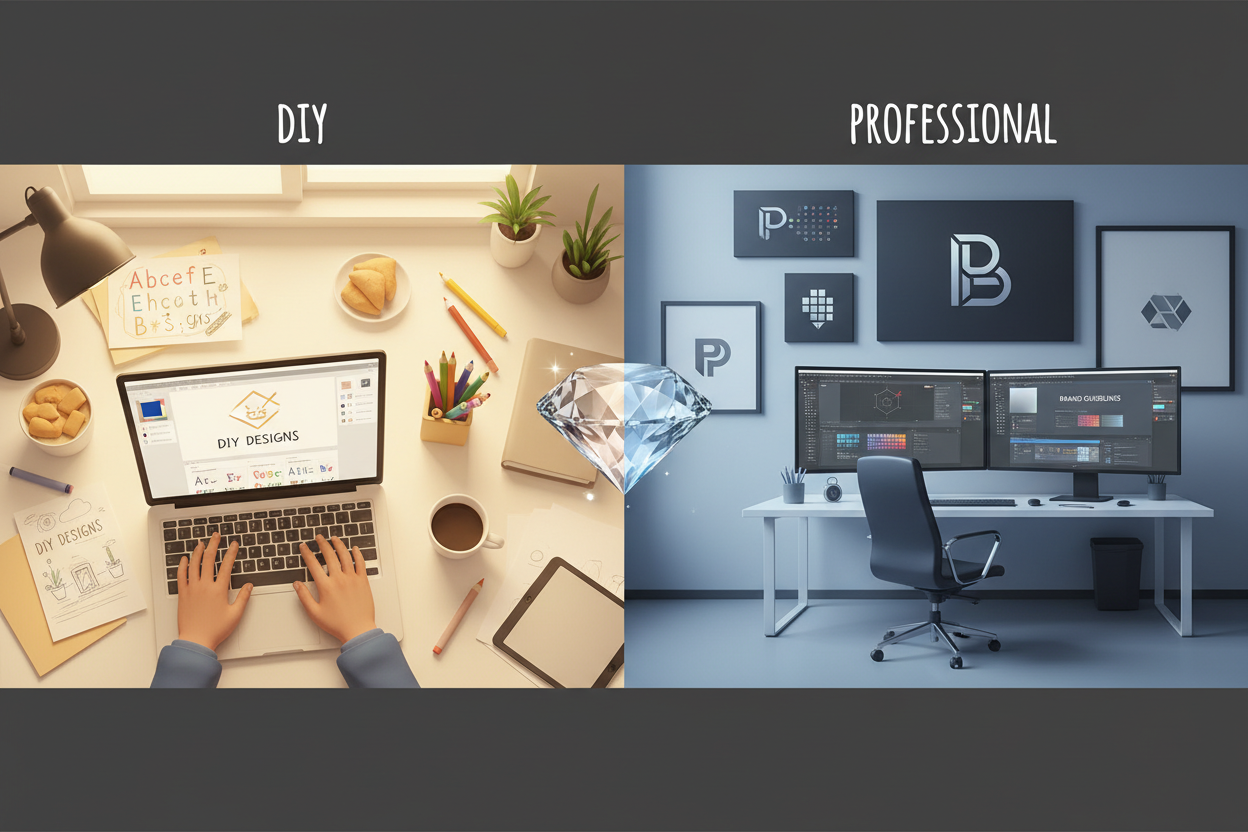
Don’t neglect the importance of getting professional help when needed. While you can certainly start with DIY branding, there comes a point where investing in professional design and strategy pays for itself through improved customer perception and business results.
Measuring Your Brand’s Success
How do you know if your branding efforts are working? While brand building is a long-term investment, there are concrete ways to measure your progress and success.
Brand awareness is a key metric – are more people recognizing your brand name and visual identity? You can measure this through surveys, social media mentions, and direct website traffic. Tools like Google Analytics can show you how many people are searching for your brand name specifically.
Customer loyalty and retention rates often improve with stronger branding. When customers feel emotionally connected to your brand, they’re more likely to make repeat purchases and recommend you to others. Track metrics like customer lifetime value, repeat purchase rates, and referral rates.
Brand perception can be measured through customer feedback, online reviews, and social media sentiment. Are customers describing your business using the same words you use to describe your brand? Are they perceiving the personality and values you’re trying to communicate?
Financial metrics matter too. Strong brands often command premium pricing and enjoy higher profit margins. Track whether your branding efforts are translating into improved sales, higher average order values, or reduced customer acquisition costs.
Conclusion: Your Brand Journey Starts Now
Creating a memorable brand identity isn’t a one-time project – it’s an ongoing journey that evolves with your business and your customers’ needs. The key is to start with a strong foundation based on clear purpose, authentic values, and deep understanding of your target audience.
Remember that great brands aren’t built overnight. Companies like Apple, Nike, and Starbucks have been refining their brand identities for decades. What matters is that you start with intention and consistency, then continuously improve based on customer feedback and business results.
Your brand is one of your most valuable business assets, and the effort you invest in building it will pay dividends for years to come. Every touchpoint with customers is an opportunity to reinforce your brand identity and build stronger relationships.
Don’t let perfectionism paralyze you. Start with the basics – clarify your purpose, define your target audience, and create consistent visual and messaging elements. You can always refine and improve as you learn more about what resonates with your customers.
The businesses that thrive in today’s competitive marketplace are those that create genuine emotional connections with their customers. Your brand identity is the vehicle for building those connections, so invest in it wisely and watch your business transform.
Frequently Asked Questions
How much should I budget for branding as a startup?
For most startups, allocating 5-10% of your initial budget to branding is reasonable. You can start with basic elements like logo design and brand guidelines for a few thousand dollars, then invest more as your business grows. Remember that branding is an investment that impacts every aspect of your marketing, so it’s worth prioritizing.
Can I create my brand identity myself, or do I need to hire professionals?
You can certainly start with DIY branding using tools like Canva or hiring freelancers on platforms like Fiverr. However, for best results, consider working with experienced brand strategists and designers, especially for core elements like your logo and brand guidelines. Professional branding often pays for itself through improved customer perception and business results.
How long does it take to build a strong brand?
While you can create brand identity elements relatively quickly, building brand recognition and loyalty takes time. Most businesses need 1-3 years of consistent branding efforts to see significant results. The key is consistency – every customer interaction should reinforce your brand identity.
Should my personal brand be separate from my business brand?
This depends on your business model and goals. If you’re a consultant, coach, or service provider, integrating your personal brand can build trust and credibility. For product-based businesses or companies you plan to sell, keeping them separate often makes more sense. Consider your long-term objectives when making this decision.
How often should I update my brand identity?
Major brand overhauls should be rare – perhaps every 10-15 years or when there’s a significant business pivot. However, minor refreshes to keep your brand current are normal every 3-5 years. The key is maintaining brand recognition while staying relevant to your audience.
What’s the difference between a logo and a brand?
Your logo is just one element of your brand identity. Your brand encompasses your entire customer experience – your values, personality, visual identity, messaging, customer service, and the emotions people associate with your business. A logo is a symbol, but a brand is a relationship.
The Ultimate Dubai Wealth Blueprint: Tax-Free Income, Real Estate & Passive Systems
Looking to build lasting wealth in Dubai? This complete guide reveals proven strategies for expats and entrepreneurs, including tax-free income systems, real estate investment secrets, passive income streams, business setup tips, and wealth preservation tactics. Learn how expats successfully grow and protect their money in the UAE with zero income tax and unlimited potential. No fluff. Just actionable Dubai wealth building methods that work.
Dubai Wealth Secrets: Tax-Free Strategies for Entrepreneurs