Canva Template Business: Create Once, Sell Forever Digital Products
 By
By Canva Template Business: Create Once, Sell Forever Digital Products
Table of Contents
1. Introduction to the Canva Template Business Model
2. Why Canva Templates Are the Perfect Digital Product
3. Getting Started: Setting Up Your Canva Template Business
4. Creating High-Converting Templates That Sell
5. Pricing Your Canva Templates for Maximum Profit
6. Where to Sell Your Canva Templates
7. Marketing Strategies That Drive Template Sales
8. Scaling Your Template Business for Long-Term Success
9. Common Mistakes to Avoid
10. Conclusion
11. Frequently Asked Questions
Introduction to the Canva Template Business Model
Imagine creating something once and watching it generate income for months or even years to come. That’s the beauty of a Canva template business – the ultimate “create once, sell forever” digital product model that’s transforming how entrepreneurs build passive income streams.
In today’s visual-first world, businesses and individuals are constantly searching for professional-looking designs without the hefty price tag of hiring a graphic designer. This creates an incredible opportunity for creative entrepreneurs to step in with ready-made Canva templates that solve real problems while building a sustainable online business.
Whether you’re a stay-at-home parent looking for flexible income, a designer wanting to monetize your skills, or an entrepreneur seeking your next venture, the Canva template business offers low startup costs, high profit margins, and unlimited scalability potential.
Why Canva Templates Are the Perfect Digital Product
The digital product landscape is crowded, but Canva templates stand out for several compelling reasons. First, they require no inventory, shipping, or physical storage – everything exists in the digital realm, making your overhead costs practically nonexistent.
The market demand continues to grow exponentially. Small businesses, social media managers, bloggers, and entrepreneurs are all hungry for professional designs they can customize quickly. With over 135 million monthly active users on Canva, the platform has created a massive ecosystem of potential customers who already understand and value template-based design solutions.
What makes this business model particularly attractive is its scalability. Once you create a template, it can be sold to hundreds or thousands of customers without any additional work on your part. There’s no limit to how many times you can sell the same digital file, making it a true passive income generator.
The barrier to entry is refreshingly low. You don’t need years of design school or expensive software. Canva’s user-friendly interface allows anyone with an eye for design and basic computer skills to create professional-quality templates that customers will pay for.
Getting Started: Setting Up Your Canva Template Business
Starting your Canva template business begins with understanding your target market. Research shows that the most successful template creators focus on specific niches rather than trying to serve everyone. Consider areas like social media templates for fitness coaches, presentation templates for real estate agents, or planner templates for busy professionals.
You’ll need a Canva Pro account to access premium elements and the ability to create templates with transparent backgrounds. This investment typically pays for itself quickly once you start selling. Additionally, familiarize yourself with Canva’s Brand Kit features, which allow you to maintain consistent styling across your template collections.
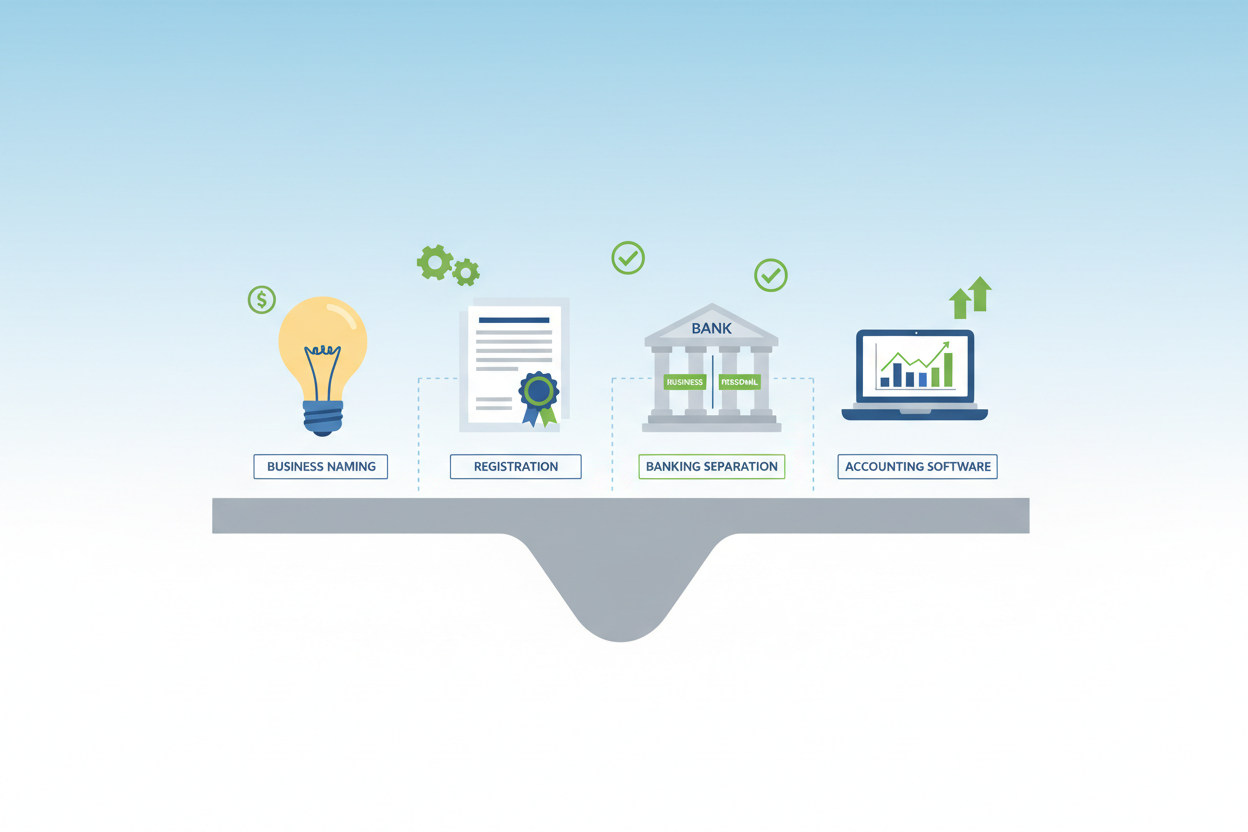
Setting up your business infrastructure is crucial from day one. Choose a business name that reflects your niche and is easy to remember. Register your business according to your local requirements and set up separate business banking to keep your finances organized. Consider investing in basic accounting software to track your income and expenses from the start.
Create accounts on platforms where you plan to sell your templates. Each platform has different requirements and approval processes, so it’s wise to get these set up early while you’re developing your first template collection.
Creating High-Converting Templates That Sell
The secret to creating templates that actually sell lies in understanding your customer’s pain points and designing solutions that save them time while making them look professional. Start by researching what’s already selling well in your chosen niche, but don’t copy – instead, identify gaps you can fill or ways to improve existing offerings.
Focus on current design trends while maintaining timeless appeal. Templates that are too trendy might have a short shelf life, while overly conservative designs might not catch attention. Strike a balance by incorporating modern elements within classic layouts that will remain relevant for years.
Functionality should drive every design decision. Your templates need to be easily customizable by users with varying design skills. Use clear hierarchy, readable fonts, and logical layouts. Include multiple variations within each template pack to provide value and justify higher price points.
Quality control cannot be overlooked. Test your templates thoroughly by having friends or family members try to customize them. If someone struggles to figure out how to use your template, your customers will too, leading to poor reviews and refund requests.
Consider creating template bundles rather than individual designs. Customers often prefer purchasing complete solutions – like a full social media kit with posts, stories, and highlight covers – rather than piecing together individual elements.
Pricing Your Canva Templates for Maximum Profit
Pricing strategy can make or break your template business. Many new sellers make the mistake of underpricing their work, thinking lower prices will lead to more sales. However, this often signals low quality to potential customers and devalues your entire brand.
Research your competition thoroughly, but don’t just match their prices. Consider the value you’re providing. A comprehensive social media template bundle with 20+ designs might command $25-50, while a simple single-post template might sell for $3-8. The key is ensuring your pricing reflects the time savings and professional results your customers receive.
Consider implementing tiered pricing strategies. Offer basic templates at lower price points to attract budget-conscious customers, while providing premium bundles with extensive customization options, bonus elements, and commercial licenses at higher price points for professional users.
Don’t forget to factor in platform fees when setting your prices. Most marketplaces take 20-50% commission, so price accordingly to ensure you’re still making a profit after fees. If you’re selling on your own website, you have more pricing flexibility but need to account for payment processing fees and marketing costs.
Where to Sell Your Canva Templates
The beauty of digital products is the variety of sales channels available. Each platform has its own advantages and audience, so diversifying your sales channels can significantly increase your revenue potential.
Etsy remains one of the most popular platforms for digital downloads, with built-in traffic and customers specifically searching for templates. The platform’s SEO features help your products get discovered, though competition is fierce and fees can add up quickly.
Creative Market caters to professional designers and agencies willing to pay premium prices for high-quality templates. The approval process is more stringent, but accepted sellers often enjoy higher profit margins and more prestigious positioning.
Your own website provides the highest profit margins and complete control over customer relationships. Platforms like Gumroad, SendOwl, or even a simple WordPress site with WooCommerce can serve as your digital storefront. While you’ll need to drive your own traffic, you keep more of each sale and can build an email list for future marketing.
Social media platforms are increasingly supporting direct sales. Instagram Shopping, Facebook Shops, and Pinterest’s shopping features allow you to sell directly where your customers are already browsing for inspiration.
Marketing Strategies That Drive Template Sales
Creating great templates is only half the battle – you need customers to find and purchase them. Content marketing proves especially effective for template businesses because you can showcase your design skills while providing value to potential customers.
Social media marketing is essential, particularly on visual platforms like Instagram and Pinterest. Share behind-the-scenes content of your design process, before-and-after transformations using your templates, and customer success stories. Use relevant hashtags to increase discoverability, but focus on engagement over follower count.
Email marketing allows you to nurture relationships with potential customers and announce new template releases to your existing audience. Offer a free template in exchange for email signups, then regularly share design tips, template previews, and exclusive discounts.
Collaborating with influencers in your niche can exponentially expand your reach. Partner with bloggers, coaches, or small business owners who could benefit from your templates. Provide them with free templates in exchange for honest reviews and social media posts.
Search engine optimization helps customers find your templates when they’re actively searching for solutions. Research keywords your target audience uses and incorporate them naturally into your product descriptions, blog posts, and website content.
Scaling Your Template Business for Long-Term Success
Once you’ve established a foundation of selling templates, scaling becomes about systematizing your processes and expanding strategically. Develop a content calendar for regular template releases – consistency helps build customer loyalty and improves your visibility on various platforms.
Consider expanding into related products and services. Template creators often branch into design courses, one-on-one design services, or even physical products like planners and notebooks that complement their digital offerings.
Building a team becomes valuable as your business grows. Virtual assistants can handle customer service, social media management, and administrative tasks, freeing you to focus on design and strategy. You might also collaborate with other designers to expand your template variety without increasing your personal workload.
Passive income streams can be enhanced by creating evergreen content like online courses teaching template design or YouTube tutorials that generate ad revenue while showcasing your expertise.
Data analysis becomes crucial for scaling decisions. Track which templates sell best, which marketing channels drive the most sales, and what customer feedback reveals about market demands. Use this information to guide future template creation and business decisions.
Common Mistakes to Avoid
New template creators often make predictable mistakes that can be easily avoided with proper preparation. One major pitfall is neglecting to research copyright and licensing requirements. Ensure all elements you use in your templates are properly licensed for commercial use and resale.
Another common mistake is creating templates that are too complex or difficult to customize. Remember that your customers may have limited design experience – simplicity and clear instructions are more valuable than elaborate designs that confuse users.
Inconsistent branding across your template collections can confuse customers and dilute your brand identity. Develop a signature style that customers can recognize, while still offering variety within your niche.
Neglecting customer service can quickly damage your reputation. Respond promptly to questions and concerns, provide clear instructions with your templates, and be willing to make reasonable accommodations for unsatisfied customers.
Finally, avoid the temptation to constantly switch niches or chase every trending topic. Building authority and recognition in a specific area typically generates more sustainable income than constantly starting over in new markets.
Conclusion
The Canva template business represents one of the most accessible and scalable digital product opportunities available today. With minimal startup costs, unlimited earning potential, and the satisfaction of helping others achieve professional-looking designs, it’s an ideal venture for creative entrepreneurs.
Success in this business comes down to understanding your market, creating genuinely useful templates, and consistently marketing your products across multiple channels. While it may take time to build momentum, the “create once, sell forever” model means your early efforts can continue generating income for years to come.
The key is to start with a clear niche focus, maintain high quality standards, and treat your template business as a real business from day one. With dedication and strategic thinking, your Canva template business can become a significant source of passive income and creative fulfillment.
Remember that every successful template creator started with their first design. The perfect time to begin is now – your future customers are already searching for the solutions you can provide.
Frequently Asked Questions
Do I need advanced design skills to start a Canva template business?
No, you don’t need professional design training. Canva’s user-friendly interface makes it possible for beginners to create attractive templates. However, having a good eye for color, layout, and current design trends will help your templates stand out in the marketplace.
How much money can I realistically make selling Canva templates?
Earnings vary widely based on effort, niche selection, and marketing effectiveness. Some creators earn a few hundred dollars monthly as a side hustle, while others build six-figure businesses. Success typically correlates with consistency, quality, and effective marketing rather than luck.
What’s the best niche for Canva templates?
The most profitable niches often serve specific professional audiences like real estate agents, fitness coaches, or small business owners. These customers typically have higher budgets and greater urgency for professional-looking designs compared to general consumers.
Can I sell the same template on multiple platforms?
Yes, most platforms allow non-exclusive selling, meaning you can list your templates on Etsy, Creative Market, and your own website simultaneously. However, always read each platform’s terms of service to ensure compliance with their specific rules.
How do I protect my templates from being copied or stolen?
While complete protection is impossible with digital products, you can watermark preview images, use platform-specific features that limit downloads, and register copyrights for your most valuable designs. Focus more on building customer loyalty through quality and service than on preventing copying.
Should I offer refunds for digital template purchases?
Having a clear refund policy builds customer confidence, but digital products present unique challenges since they can’t be “returned.” Consider offering refunds for technical issues or significant dissatisfaction while maintaining policies that prevent abuse of your generosity.
The Ultimate Dubai Wealth Blueprint: Tax-Free Income, Real Estate & Passive Systems
Looking to build lasting wealth in Dubai? This complete guide reveals proven strategies for expats and entrepreneurs, including tax-free income systems, real estate investment secrets, passive income streams, business setup tips, and wealth preservation tactics. Learn how expats successfully grow and protect their money in the UAE with zero income tax and unlimited potential. No fluff. Just actionable Dubai wealth building methods that work.
Dubai Wealth Secrets: Tax-Free Strategies for Entrepreneurs