Transcription Work from Home: How to Make $500+ Per Month Typing Audio
 By
By Transcription Work from Home: How to Make $500+ Per Month Typing Audio
Table of Contents
1. What is Transcription Work and Why It’s Perfect for Remote Workers
2. Getting Started: Essential Skills and Equipment You Need
3. Top Transcription Companies That Pay Well
4. How Much Can You Really Earn from Transcription Work
5. Tips to Maximize Your Transcription Income
6. Common Challenges and How to Overcome Them
7. Building Your Transcription Career for Long-term Success
8. Frequently Asked Questions
Are you tired of the daily commute and looking for a legitimate way to earn money from the comfort of your home? Transcription work might be the perfect solution you’ve been searching for. With nothing more than a computer, good typing skills, and attention to detail, you can start earning $500 or more per month by converting audio files into written text.
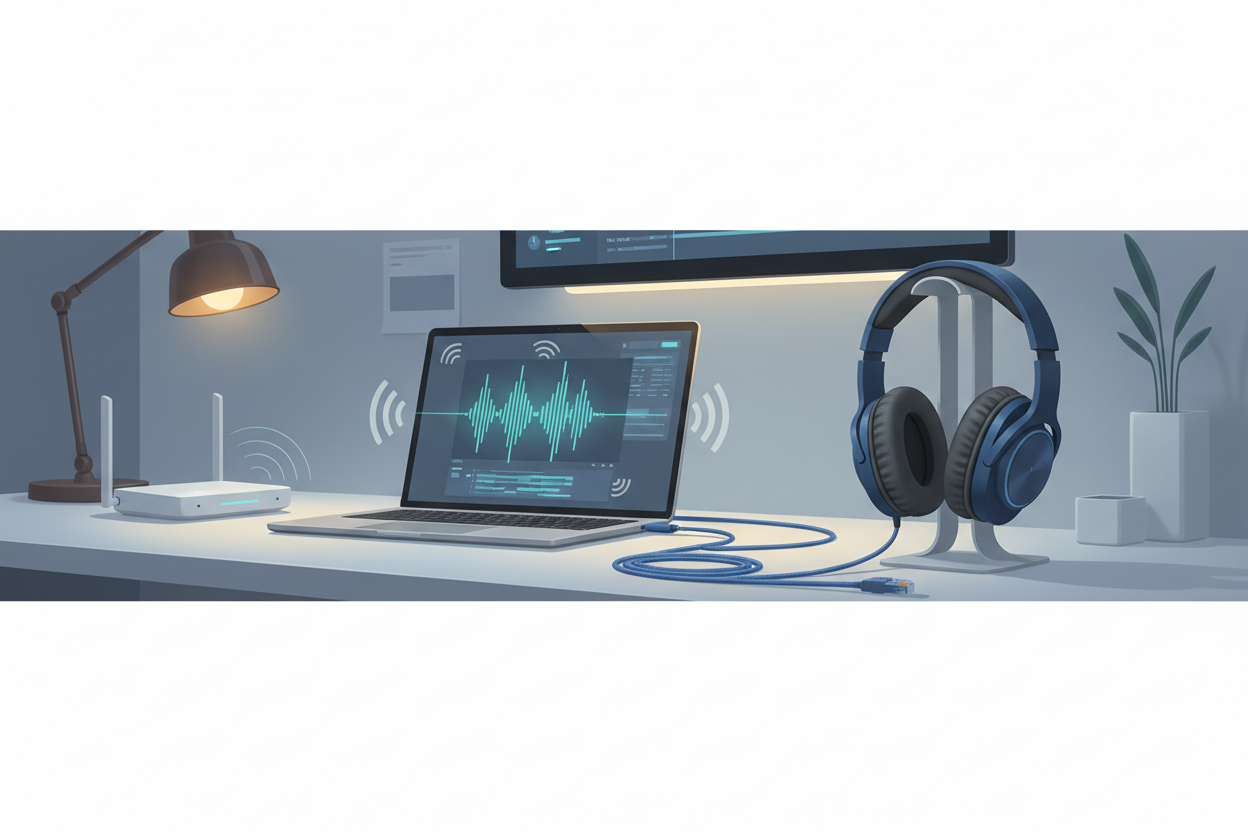
The transcription industry has exploded in recent years, thanks to the growing demand for content creation, legal documentation, medical records, and business meetings that need to be converted into searchable text formats. This surge in demand has created countless opportunities for remote workers to build sustainable income streams from home.
In this comprehensive guide, I’ll walk you through everything you need to know about starting your transcription career, from the basic requirements to advanced strategies that can help you earn more than $500 monthly. Whether you’re a stay-at-home parent, student, or someone looking for additional income, transcription work offers the flexibility and earning potential you need.
What is Transcription Work and Why It’s Perfect for Remote Workers
Transcription work involves listening to audio or video recordings and typing out exactly what you hear. This might sound simple, but it requires focus, accuracy, and good listening skills. The beauty of transcription work lies in its simplicity and accessibility – you don’t need a college degree or years of experience to get started.
There are several types of transcription work available in today’s market. General transcription covers business meetings, interviews, podcasts, and webinars. Medical transcription involves converting doctor’s notes and medical reports into text, while legal transcription focuses on court proceedings, depositions, and legal documents. Each type offers different pay rates and requirements, giving you options to choose what works best for your skills and interests.
What makes transcription particularly attractive for remote workers is the flexibility it offers. Most transcription jobs allow you to work whenever you want, as long as you meet deadlines. This means you can work around your family schedule, other commitments, or even use it as a side hustle alongside your main job.
The demand for transcription services continues to grow as more businesses recognize the value of having searchable, written records of their audio content. Podcasters need transcripts for SEO purposes, researchers require accurate documentation of interviews, and legal firms need precise records of proceedings. This steady demand translates to consistent work opportunities for skilled transcriptionists.
Getting Started: Essential Skills and Equipment You Need
Before diving into transcription work, you’ll need to assess whether you have the necessary skills and equipment. The good news is that the barriers to entry are relatively low, and most people can develop the required skills with practice and dedication.
Your typing speed is crucial for transcription success. While requirements vary by company, most expect at least 40-60 words per minute with high accuracy. If your typing speed is below this range, don’t worry – there are numerous online typing courses and practice tools that can help you improve quickly. Websites like Typing.com and Keybr.com offer free lessons that can significantly boost your speed within a few weeks of consistent practice.
Excellent listening skills are equally important. You’ll often deal with poor audio quality, multiple speakers, background noise, or accents that make understanding challenging. Developing patience and the ability to replay sections multiple times without getting frustrated is essential for success in this field.
From an equipment standpoint, you’ll need a reliable computer with a good internet connection. While you don’t need the latest model, your computer should be fast enough to handle audio playback software without lag. A quality headset is perhaps your most important investment – it can make the difference between clearly hearing dialogue and struggling with unclear audio. Look for headsets with noise cancellation features and comfortable padding for long work sessions.
Many transcriptionists also invest in foot pedals, which allow you to control audio playback with your feet, leaving your hands free for typing. While not strictly necessary, foot pedals can significantly increase your efficiency and reduce the strain of constantly switching between keyboard shortcuts and typing.
Top Transcription Companies That Pay Well
Finding legitimate, well-paying transcription companies is crucial for building a successful remote career. I’ve researched and compiled a list of reputable companies that offer fair compensation and consistent work opportunities.
Rev is one of the most popular transcription platforms, offering flexible scheduling and competitive rates. They pay between $0.30 to $1.10 per audio minute, depending on the difficulty and your experience level. While their application process includes a skills test, once accepted, you’ll have access to a steady stream of work with weekly payments via PayPal.
TranscribeMe offers shorter audio clips, typically 2-4 minutes long, making it perfect for beginners or those with limited time. They pay around $15-$22 per audio hour, which might seem low, but the short clips allow for quick completion and immediate payment. Their qualification process is straightforward, and they provide excellent training materials for new transcriptionists.
GoTranscript is known for its higher pay rates, offering $0.60 per audio minute for standard transcription work. They accept transcriptionists from around the world and provide detailed style guides to ensure consistency. The company also offers opportunities for advancement to editor and quality assurance positions, which come with higher pay rates.
For those interested in specialized transcription, 3Play Media focuses on video captions and transcripts for educational institutions and businesses. They offer competitive rates and the opportunity to work with high-quality audio, making the transcription process more enjoyable and efficient.
Scribie provides a unique approach with their four-step quality process, ensuring high-quality output while offering transcriptionists multiple earning opportunities. You can earn money as a transcriber, reviewer, or quality assurance specialist, with pay rates increasing at each level.
How Much Can You Really Earn from Transcription Work
The earning potential in transcription work varies significantly based on several factors, including your typing speed, accuracy, the type of transcription you choose, and how many hours you dedicate to the work. Understanding these variables will help you set realistic expectations and develop strategies to maximize your income.
Most beginners can expect to earn between $300-$500 per month working part-time hours. As you gain experience and improve your speed, it’s entirely possible to reach $800-$1,200 monthly with consistent effort. Some experienced transcriptionists who work full-time report earning $2,000 or more per month, particularly those who specialize in medical or legal transcription.
The key to understanding transcription earnings lies in the relationship between audio minutes and real-time hours. Generally, it takes 3-4 hours to transcribe one hour of clear audio for beginners. As you improve, you might reduce this to 2-3 hours per audio hour. This means that a job paying $20 per audio hour might actually pay $5-$7 per hour of your actual work time initially.
However, these numbers improve dramatically as you gain experience. Experienced transcriptionists often complete work in a 1:1 or 2:1 ratio, meaning they can transcribe one hour of audio in one to two hours of work. This efficiency boost significantly increases your effective hourly rate and overall monthly earnings.
Specialized transcription fields typically offer higher pay rates. Medical transcriptionists can earn $15-$25 per hour, while legal transcriptionists might earn even more. However, these fields require additional training and certification, representing a longer-term investment in your transcription career.
Tips to Maximize Your Transcription Income
Increasing your transcription income requires a combination of improving your skills, working more efficiently, and making smart choices about the jobs you accept. Here are proven strategies that successful transcriptionists use to boost their monthly earnings.
Focus on improving your typing speed and accuracy simultaneously. Many new transcriptionists make the mistake of prioritizing speed over accuracy, leading to time-consuming revisions and potential penalties from transcription companies. Practice typing exercises daily, even if just for 10-15 minutes, and gradually increase your speed while maintaining 98%+ accuracy.
Learn to use transcription software effectively. Most companies provide their own platforms, but understanding keyboard shortcuts and playback controls can significantly speed up your workflow. Familiarize yourself with features like variable playback speed, which allows you to slow down difficult sections without affecting audio quality.
Develop a system for handling challenging audio. Create templates for common scenarios, such as inaudible sections or multiple speakers. Having standardized approaches saves time and ensures consistency across your work. Many experienced transcriptionists also maintain glossaries of technical terms or proper names they encounter frequently.
Choose your jobs strategically. While it might be tempting to accept every available job, experienced transcriptionists learn to evaluate audio quality before committing. Clear audio with single speakers typically offers the best time-to-earnings ratio, while poor quality recordings with multiple speakers might not be worth the effort for the pay offered.
Consider working with multiple companies simultaneously. This strategy provides more consistent work availability and allows you to compare pay rates and working conditions. However, be careful not to overcommit, as maintaining quality across multiple platforms is crucial for long-term success.
Common Challenges and How to Overcome Them
Every transcriptionist faces challenges, especially when starting out. Understanding these common obstacles and having strategies to overcome them will help you build a more successful and sustainable transcription career.
Poor audio quality is perhaps the most frequent challenge transcriptionists encounter. Background noise, low volume, or distorted recordings can make transcription extremely difficult and time-consuming. To handle these situations effectively, invest in good audio enhancement software or use built-in tools to adjust equalizer settings. Sometimes, changing the playback speed or using different audio outputs can help clarify difficult sections.
Dealing with multiple speakers, especially in group discussions or meetings, requires developing specific strategies. Learn to distinguish voices and create a system for identifying speakers consistently throughout the transcript. Many transcriptionists use speaker labels like “Speaker 1” or identify speakers by name when possible. Taking notes about voice characteristics during your first listen-through can save time later.
Maintaining focus during long transcription sessions is another common struggle. The repetitive nature of the work can lead to fatigue and decreased accuracy. Combat this by taking regular breaks, using the Pomodoro Technique (25 minutes of work followed by 5-minute breaks), and varying your work environment when possible. Some transcriptionists find that light background music helps maintain focus, while others prefer complete silence.
Technical difficulties, such as software crashes or internet connectivity issues, can disrupt your workflow and affect your earnings. Always save your work frequently and have backup internet options when possible. Familiarize yourself with each platform’s technical requirements and keep your software updated to minimize compatibility issues.
Inconsistent work availability can make it challenging to maintain steady income. This is why working with multiple companies and building relationships with regular clients becomes important. As you establish yourself as a reliable transcriptionist, you’ll often gain access to more consistent work opportunities and potentially higher-paying projects.
Building Your Transcription Career for Long-term Success
While transcription can provide immediate income opportunities, thinking long-term about your career development will help you achieve greater financial success and job satisfaction. Building expertise and expanding your skills opens doors to higher-paying opportunities and more stable income streams.
Consider specializing in a particular field once you’ve gained general transcription experience. Medical transcription, while requiring additional training and certification, offers significantly higher pay rates and more stable employment opportunities. Legal transcription is another specialized field with excellent earning potential, though it requires familiarity with legal terminology and procedures.
Building direct client relationships can dramatically increase your earning potential. Many businesses prefer working directly with experienced transcriptionists rather than going through transcription companies, and they’re often willing to pay premium rates for reliable, high-quality service. Start by reaching out to local businesses, podcasters, researchers, or legal firms in your area.
Developing additional skills that complement transcription work can open new income streams. Learning basic video editing, caption creation, or translation services can make you more valuable to clients and increase your earning potential. Many transcriptionists also expand into related fields like virtual assistance or content writing.
Maintaining excellent records of your work, including client feedback and performance metrics, helps you demonstrate your value when seeking higher-paying opportunities. Create a professional portfolio that showcases your accuracy rates, turnaround times, and client testimonials.
Stay updated with industry trends and technology developments. Voice recognition software and AI transcription tools are evolving rapidly, but they still require human oversight and editing. Position yourself as someone who can work with these technologies rather than being replaced by them.
Conclusion
Transcription work offers a genuine opportunity to earn $500 or more per month from home, with the potential for much higher earnings as you develop your skills and build your client base. The key to success lies in approaching transcription as a professional career rather than just a quick way to make money.
Start by developing your typing speed and accuracy, invest in quality equipment, and choose reputable companies that offer fair compensation and consistent work opportunities. Remember that your earnings will likely start modestly but can grow significantly as you gain experience and efficiency.
The flexibility of transcription work makes it an excellent option for anyone seeking remote employment, whether as a primary income source or supplementary earnings. With dedication, continuous improvement, and smart career choices, transcription can provide the financial freedom and work-life balance you’re seeking.
Take the first step today by assessing your current typing skills and researching the transcription companies mentioned in this guide. With persistence and the right approach, you could be earning your first transcription income within weeks of starting your journey.
Frequently Asked Questions
Q: Do I need any special qualifications or certifications to start transcription work?
A: Most general transcription jobs don’t require formal qualifications beyond good typing skills and attention to detail. However, medical and legal transcription typically require specialized training and certification. Start with general transcription to gain experience before considering specialized fields.
Q: How fast do I need to type to be successful in transcription work?
A: Most companies require a minimum of 40-60 words per minute with high accuracy. However, faster typing speeds directly translate to higher earnings, so aim for 70+ WPM if possible. Accuracy is just as important as speed – maintaining 98%+ accuracy is crucial for success.
Q: What’s the difference between transcription and captioning work?
A: Transcription involves converting audio to text without time constraints, while captioning requires syncing text with video timestamps. Captioning often pays more but requires additional skills and software knowledge. Many transcriptionists eventually expand into captioning work for higher earnings.
Q: How long does it typically take to get approved by transcription companies?
A: The approval process varies by company but typically takes 1-2 weeks. This includes completing application forms, passing typing and listening tests, and sometimes completing sample transcription work. Some companies have faster approval processes, while others may take up to a month during busy periods.
Q: Can I work for multiple transcription companies at the same time?
A: Yes, most transcription companies allow you to work for competitors simultaneously. In fact, working with multiple companies is recommended to ensure consistent work availability and compare pay rates. Just be careful not to overcommit and maintain quality standards across all platforms.
Q: What should I do if I encounter audio I cannot understand?
A: Most companies have specific guidelines for handling inaudible sections. Typically, you’ll mark these sections with timestamps and notes like “[inaudible 00:05:23]” or “[unclear]”. Never guess at words you cannot clearly hear, as accuracy is more important than completion. Some companies allow you to return difficult jobs without penalty.
The Ultimate Dubai Wealth Blueprint: Tax-Free Income, Real Estate & Passive Systems
Looking to build lasting wealth in Dubai? This complete guide reveals proven strategies for expats and entrepreneurs, including tax-free income systems, real estate investment secrets, passive income streams, business setup tips, and wealth preservation tactics. Learn how expats successfully grow and protect their money in the UAE with zero income tax and unlimited potential. No fluff. Just actionable Dubai wealth building methods that work.
Dubai Wealth Secrets: Tax-Free Strategies for Entrepreneurs