User Testing Gold Mine: How to Earn $60+ Per Hour Testing Apps and Websites
 By
By User Testing Gold Mine: How to Earn $60+ Per Hour Testing Apps and Websites
Table of Contents
1. Introduction: The Hidden World of User Testing
2. What Is User Testing and Why Companies Pay Big for It
3. Top User Testing Platforms That Pay $60+ Per Hour
4. Essential Skills and Equipment You Need to Get Started
5. How to Create a Winning User Testing Profile
6. Maximizing Your Earnings: Pro Tips from Successful Testers
7. Common Mistakes That Kill Your User Testing Career
8. Real Success Stories: How Much Can You Actually Make?
9. Frequently Asked Questions
10. Conclusion: Your Path to User Testing Success
Introduction: The Hidden World of User Testing
Imagine getting paid $60 or more per hour just for browsing websites, testing mobile apps, and sharing your honest opinions. Sounds too good to be true? Well, thousands of people are already doing exactly that through user testing opportunities that most folks have never even heard of.
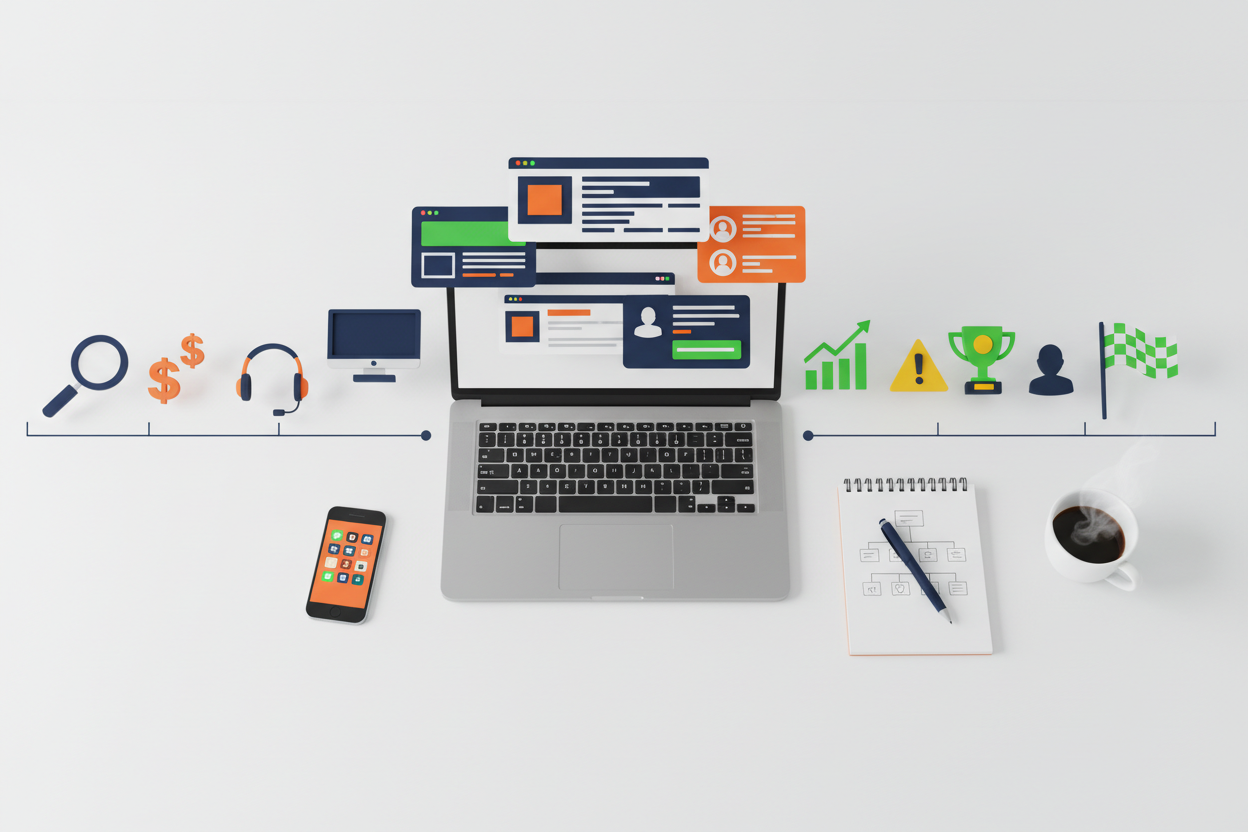
While everyone’s scrambling for traditional side hustles like driving for rideshare companies or delivering food, there’s a quieter revolution happening in the digital space. Companies are desperately seeking real users to test their websites and apps before launching them to the public, and they’re willing to pay premium rates for quality feedback.
I’ve been in the user testing game for over three years now, and I can tell you firsthand that this isn’t just another “get rich quick” scheme. It’s a legitimate way to earn substantial income from the comfort of your home, often paying more per hour than many professional jobs. The best part? You don’t need any special qualifications or years of experience to get started.
What Is User Testing and Why Companies Pay Big for It
User testing, also known as usability testing, involves real people using websites, mobile apps, or digital products while providing feedback about their experience. Think of yourself as a digital detective, uncovering problems that developers and designers might have missed.
When you participate in user testing, you’re typically asked to complete specific tasks while thinking out loud about your experience. You might be testing a new e-commerce checkout process, navigating a banking app, or exploring a social media platform that hasn’t launched yet.
Companies invest heavily in user testing because fixing problems after launch costs exponentially more than catching them early. A confusing checkout process could cost an online retailer millions in lost sales. A poorly designed app interface might result in thousands of negative reviews and user abandonment.
That’s where you come in. Your fresh perspective and honest feedback help these companies create better products, which translates to higher profits for them. And they’re more than happy to compensate you generously for your time and insights.
Top User Testing Platforms That Pay $60+ Per Hour
Not all user testing platforms are created equal. While some pay as little as $10 per test, others offer premium rates that can reach $120 per hour or more. Here are the platforms where serious money is made:
UserTesting.com remains the gold standard in the industry. Most tests pay $60 for a 20-minute session, effectively giving you $180 per hour if you could do them back-to-back. Live conversation tests can pay $30-60 for 30-60 minute sessions. The platform has a steady stream of opportunities, especially if you fit certain demographic profiles that companies are targeting.
TryMyUI offers $10 for standard 20-minute tests, but their live conversation studies can pay significantly more. What sets them apart is their bonus system for high-quality testers and their frequent availability of tests.
Userlytics pays between $5-90 per test depending on complexity and length. Their higher-paying studies often involve testing prototypes or participating in longer research sessions that can stretch to several hours.
Enroll focuses on longer, more comprehensive studies that can pay $75-200 per session. These often involve multiple rounds of testing over several days or weeks, making them incredibly lucrative for committed testers.
User Interviews connects you with companies looking for specific demographics for research studies. Pay ranges from $50-200 per hour, with some studies offering even more for specialized knowledge or hard-to-find demographics.
Essential Skills and Equipment You Need to Get Started
The beauty of user testing lies in its accessibility. You don’t need a computer science degree or years of technical experience. However, certain skills and equipment will set you up for success.
Technical Requirements: A reliable computer or smartphone with a good internet connection is non-negotiable. Most platforms require you to download screen recording software, so make sure your device can handle this without lagging. A quality microphone is crucial since your verbal feedback is often more valuable than your actions on screen.
Communication Skills: Your ability to articulate your thoughts clearly and provide constructive feedback directly impacts your earning potential. Companies want testers who can explain not just what they’re doing, but why they’re doing it and how it makes them feel.
Attention to Detail: The best-paid testers notice small issues that others might miss. This could be a button that’s hard to find, text that’s difficult to read, or a process that feels unnecessarily complicated.
Patience and Persistence: User testing isn’t always available on demand. Building a steady income requires patience to wait for the right opportunities and persistence to maintain quality across all your tests.
How to Create a Winning User Testing Profile
Your profile is your first impression and often determines whether you get selected for high-paying tests. Companies are looking for testers who match their target audience, so authenticity is key.
Demographics Matter: Be honest about your age, location, income level, and lifestyle. Companies often need specific demographics, and trying to game the system usually backfires. If you’re a 65-year-old retiree, own that – there are plenty of companies specifically looking for your perspective.
Showcase Your Expertise: Do you work in healthcare? Are you a small business owner? Do you have experience with specific types of software? These details can make you invaluable for specialized testing opportunities that pay premium rates.
Professional Photo and Bio: While you don’t need to look like a model, a clear, professional photo helps build trust. Your bio should be conversational but informative, highlighting what makes you a valuable tester.
Complete All Profile Sections: Platforms use your profile information to match you with relevant tests. The more complete your profile, the more opportunities you’ll receive.
Maximizing Your Earnings: Pro Tips from Successful Testers
After years in this space and countless conversations with top earners, I’ve identified the strategies that separate casual testers from those earning serious money.
Quality Over Quantity: It’s tempting to rush through tests to complete more of them, but this approach backfires. High-quality feedback leads to higher ratings, which leads to more test invitations and access to premium opportunities.
Diversify Your Platforms: Don’t put all your eggs in one basket. Register with multiple platforms to maximize your opportunities. Each platform has different clients and testing styles, increasing your chances of finding regular work.
Respond Quickly to Invitations: Test slots fill up fast, often within minutes of being sent out. Set up notifications on your phone and be ready to respond immediately when opportunities arise.
Build Relationships: Some platforms allow direct communication with clients. Professional, helpful communication can lead to repeat invitations and even private testing opportunities that pay premium rates.
Specialize in Lucrative Niches: Healthcare, finance, and enterprise software testing often pay more than consumer apps. If you have experience in these areas, emphasize it in your profile.
Common Mistakes That Kill Your User Testing Career
I’ve seen promising testers sabotage their own success with easily avoidable mistakes. Learning from these common pitfalls can save you months of frustration and lost income.
Providing Generic Feedback: Saying “this looks good” or “I don’t like this” without explanation provides no value to clients. Always explain your reasoning and suggest improvements when possible.
Technical Issues: Poor audio quality, laggy screen recordings, or unreliable internet connections will get you blacklisted quickly. Invest in decent equipment and test your setup regularly.
Missing Instructions: Each test comes with specific instructions. Failing to follow them, even if your approach seems better, shows clients you can’t follow directions.
Inconsistent Availability: If you accept a test invitation, you need to complete it within the specified timeframe. Consistently missing deadlines will hurt your reputation across platforms.
Inappropriate Behavior: This should go without saying, but maintaining professionalism is crucial. Inappropriate comments, background noise, or visible distractions can end your testing career instantly.
Real Success Stories: How Much Can You Actually Make?
Let me share some real numbers from my network of user testers to give you a realistic picture of earning potential.
Sarah, a marketing professional from Denver, treats user testing as a serious side hustle. She averages 8-10 tests per month across multiple platforms, earning between $800-1,200 monthly. Her secret? She specializes in B2B software testing, where her professional experience makes her incredibly valuable to clients.
Mike, a retired teacher from Florida, focuses on accessibility testing for websites and apps. His attention to detail and patient approach to explaining issues has made him a favorite among several regular clients. He consistently earns $600-800 per month working just 10-15 hours.
Jessica, a college student, uses user testing to pay for textbooks and living expenses. While her income fluctuates based on her class schedule, she averages $300-500 per month by focusing on mobile app testing during her free time between classes.
The highest earner I know personally is David, who transitioned from casual testing to becoming a preferred tester for several major tech companies. He now earns $2,000-3,000 monthly, but he treats it like a part-time job, dedicating 15-20 hours per week to testing and building client relationships.
Frequently Asked Questions
Q: How quickly can I start earning money from user testing?
A: Most platforms approve new testers within 1-7 days after you complete their qualification process. However, it might take 2-4 weeks to establish a steady flow of test invitations as the algorithms learn your preferences and reliability.
Q: Do I need to pay taxes on user testing income?
A: Yes, user testing income is taxable. Most platforms will send you a 1099 form if you earn over $600 in a calendar year. Keep detailed records of your earnings and any related expenses.
Q: Can I do user testing from anywhere in the world?
A: Most major platforms primarily serve testers in the United States, Canada, United Kingdom, and Australia. However, some platforms are expanding to other countries. Check each platform’s requirements before signing up.
Q: What if I don’t have experience with the type of website or app I’m testing?
A: That’s often exactly what companies want. Fresh eyes and genuine first impressions are incredibly valuable. Your confusion or struggles with unfamiliar interfaces provide crucial insights for improvement.
Q: How long does it take to receive payment after completing a test?
A: Payment timelines vary by platform, ranging from 7-14 days for most sites. Some platforms offer faster payment options for a small fee.
Q: Are there any age restrictions for user testing?
A: Most platforms require testers to be at least 18 years old. However, some companies specifically seek older demographics, so age can actually be an advantage in certain situations.
Conclusion: Your Path to User Testing Success
User testing represents one of the most accessible and potentially lucrative work-from-home opportunities available today. While it’s not a guaranteed path to riches, dedicated testers who approach it professionally can earn substantial supplemental income or even replace traditional part-time work.
The key to success lies in treating user testing as a real business opportunity, not just a casual way to make pocket change. Invest in quality equipment, develop your communication skills, and build a reputation for reliability and insightful feedback.
Remember that the companies paying for user testing are investing in their products’ success. Your thoughtful feedback doesn’t just earn you money – it helps create better digital experiences for millions of users. That’s a pretty rewarding way to make $60+ per hour.
Start by signing up for 2-3 platforms, complete your profiles thoroughly, and commit to providing high-quality feedback on every test. With patience and persistence, you could be earning hundreds or even thousands of dollars monthly from the comfort of your home.
The user testing gold mine is real, and there’s room for anyone willing to dig in and do the work. Your first $60-per-hour test could be just a few clicks away.
The Ultimate Dubai Wealth Blueprint: Tax-Free Income, Real Estate & Passive Systems
Looking to build lasting wealth in Dubai? This complete guide reveals proven strategies for expats and entrepreneurs, including tax-free income systems, real estate investment secrets, passive income streams, business setup tips, and wealth preservation tactics. Learn how expats successfully grow and protect their money in the UAE with zero income tax and unlimited potential. No fluff. Just actionable Dubai wealth building methods that work.
Dubai Wealth Secrets: Tax-Free Strategies for Entrepreneurs